
Cycling Pedal Improvement: How to Enhance Your Pedal Stroke
Improving your cycling pedal stroke is essential for better performance, efficiency, and injury prevention. A smooth, powerful pedal stroke helps you maintain speed, conserve energy, and reduce fatigue. This guide provides practical tips and techniques to help you refine your pedal stroke and get the most out of every ride.
Understanding the Basics of Cycling Pedal Improvement
To improve your cycling pedal stroke, you first need to understand the mechanics of pedaling. The pedal stroke is a circular motion that involves pushing down, pulling back, lifting up, and pushing forward. Most cyclists focus on the downstroke, but the other phases are equally important for a smooth and efficient pedal stroke.
Key points to focus on:
Apply power evenly throughout the entire pedal rotation.
Avoid dead spots where no power is applied.
Use your hamstrings and hip flexors to assist the upstroke.
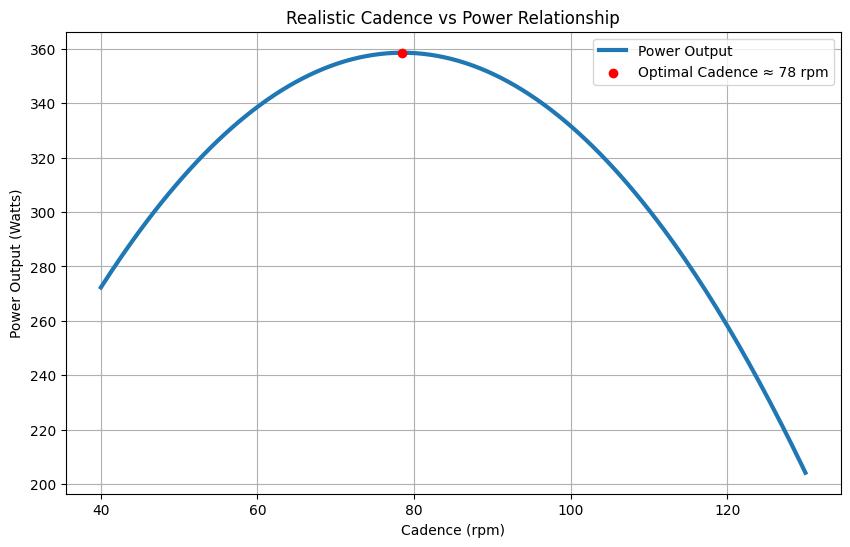
Maintain a consistent cadence to optimize power output.
By focusing on these fundamentals, you can start to develop a more balanced and effective pedal stroke.
Techniques for Cycling Pedal Improvement
Improving your pedal stroke requires deliberate practice and attention to technique. Here are some effective methods to help you develop a better pedal stroke:
1. Practice Single-Leg Drills
Single-leg pedaling drills isolate each leg, helping you identify weaknesses and improve muscle coordination. Use a stationary trainer or a safe flat road for this exercise.
Pedal with one leg for 30 seconds to 1 minute.
Focus on making a smooth circular motion.
Switch legs and repeat.
Perform 3-5 sets per leg.
This drill helps you feel the full pedal stroke and encourages pulling up as well as pushing down.
2. Use a High Cadence
Pedaling at a higher cadence (90-110 RPM) encourages a smoother pedal stroke and reduces muscle fatigue. It forces you to focus on the circular motion rather than just pushing hard.
Start with a comfortable cadence.
Gradually increase your cadence over time.
Use a cadence sensor or a GARMIN device to monitor your RPM.
3. Engage Your Core and Hips
A strong core and flexible hips contribute to better pedal stroke mechanics. Engage your core muscles to stabilize your body and allow your legs to move more freely.
Incorporate core strengthening exercises into your routine.
Stretch your hip flexors regularly.
Maintain a relaxed upper body while pedaling.
4. Focus on Pedal Pressure Distribution
Think about applying pressure evenly around the pedal circle. Avoid pushing straight down only. Imagine scraping mud off the bottom of your shoe during the upstroke to engage the hamstrings.
5. Use Clipless Pedals
Clipless pedals allow you to pull up on the pedals as well as push down, improving power transfer and pedal stroke efficiency.
Ensure proper cleat positioning.
Practice clipping in and out safely.
Gradually increase your use of clipless pedals during rides.
How to Use Technology for Pedal Stroke Improvement
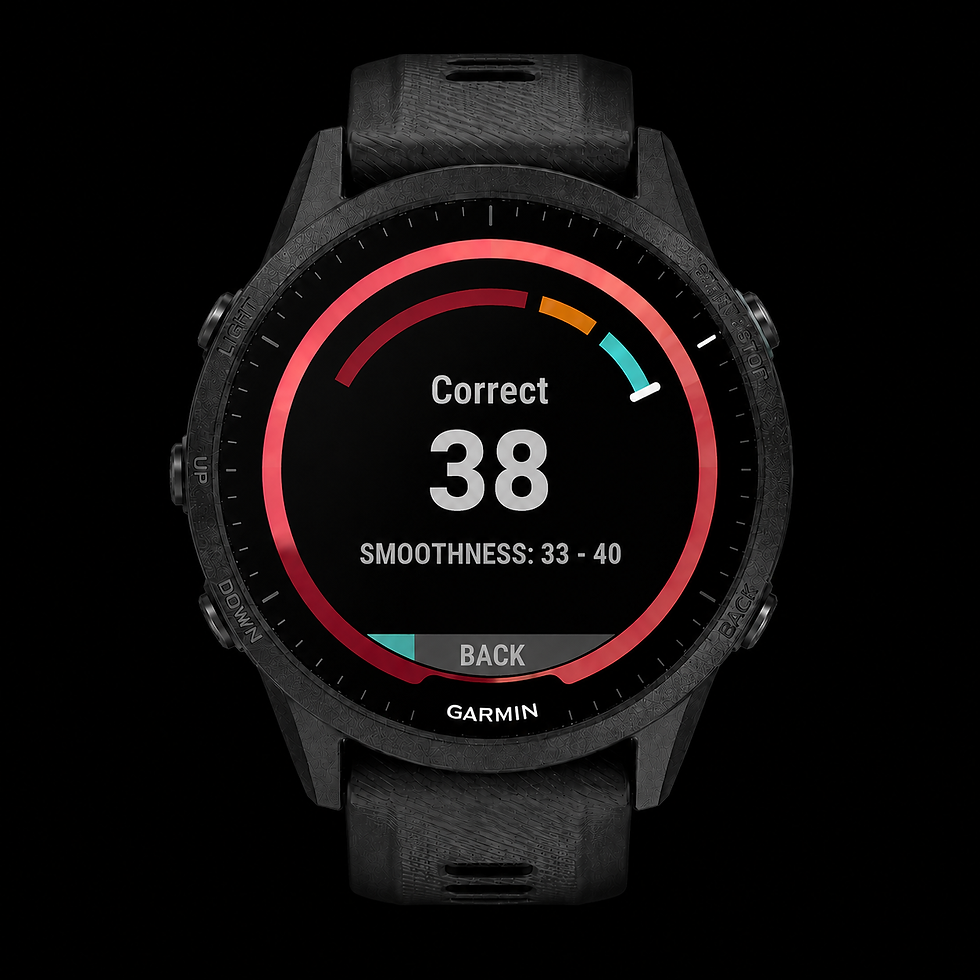
Modern cycling technology offers tools to analyze and improve your pedal stroke. Devices like GARMIN provide detailed metrics that help you understand your pedaling technique.
Power Meter and Pedal Analysis
Power meters measure the force you apply to the pedals. Some advanced models provide pedal smoothness and power phase data, showing how evenly you apply power throughout the pedal stroke.
Use power meter data to identify dead spots.
Adjust your technique based on feedback.
Track improvements over time.
Pedal Stroke Analysis Apps
Apps like Pedlpro offer data-driven pedaling quality (Pq) analysis. These apps provide real-time feedback and detailed reports to help you refine your technique.
Connect your GARMIN device to the app.
Review pedal stroke metrics after each ride.
Follow personalized training plans to improve.
Using technology helps you make informed adjustments and measure progress objectively.

Training Tips to Improve Cycling Pedal Stroke
Consistent training is key to improving your pedal stroke. Here are some tips to incorporate into your routine:
Warm up properly before focusing on pedal stroke drills.
Include interval training to build power and endurance.
Practice pedaling drills at least twice a week.
Record your sessions using your GARMIN device for analysis.
Rest adequately to allow muscle recovery.
By following a structured training plan, you can steadily enhance your pedal stroke and overall cycling performance.
Avoiding Common Pedal Stroke Mistakes
Many cyclists make errors that limit their pedal stroke efficiency. Avoid these common mistakes:
Focusing only on the downstroke and neglecting the upstroke.
Pedaling with a low cadence, causing muscle fatigue.
Tensing the upper body, which wastes energy.
Using improper cleat position on clipless pedals.
Ignoring feedback from technology and not adjusting technique.
Correcting these mistakes will help you pedal more smoothly and efficiently.
Next Steps to Enhance Your Cycling Performance
Improving your pedal stroke is a continuous process. Use the techniques and tools discussed here to refine your technique. Remember to track your progress with your GARMIN device and consider using apps like Pedlpro to get detailed pedaling quality analysis.
If you want to improve cycling pedal stroke, start by focusing on smooth, even power application and gradually incorporate drills and technology into your training. This approach will help you boost performance, increase efficiency, and reduce the risk of injury.
By committing to pedal stroke improvement, you take a significant step toward becoming a stronger, more efficient cyclist.


Comments