
Top Tips for Achieving Pedal Smoothness: Pedalling Smoothness Techniques
Updated: Jun 25
Pedal smoothness plays a crucial role in cycling efficiency and performance. Improving your pedalling technique can help you generate more power, reduce fatigue, and prevent injuries. This guide provides practical tips and techniques to help you achieve pedal smoothness and make the most of your cycling sessions.
Understanding Pedalling Smoothness Techniques
Pedaling smoothness refers to how evenly and efficiently you apply force throughout the pedal stroke. A smooth pedal stroke means you maintain consistent power from the top of the pedal rotation to the bottom, minimizing dead spots where power drops. This improves your overall cycling efficiency and helps you maintain speed with less effort.
To develop better pedaling smoothness, focus on these key techniques:
Maintain a steady cadence: Aim for a cadence between 80 and 100 revolutions per minute (RPM). This range helps you avoid excessive muscle fatigue and promotes a fluid pedal stroke.
Engage your entire pedal stroke: Think of pedaling as a circular motion, not just pushing down. Pull up and push forward to maximize power.
Practice single-leg drills: Pedal with one leg at a time to identify and correct weak points in your stroke.
Focus on core strength: A strong core stabilizes your body and helps transfer power more effectively to the pedals.
How to Improve Pedal Smoothness with Training
Improving pedal smoothness requires consistent practice and targeted training. Here are some actionable steps you can take:
Warm up properly: Start with 10-15 minutes of easy pedaling to prepare your muscles.
Incorporate cadence drills: Use intervals where you increase your cadence to 100-110 RPM for 1-2 minutes, then recover at a lower cadence.
Perform single-leg pedaling drills: Use a stationary trainer or flat road to pedal with one leg for 30 seconds to 1 minute, alternating legs.
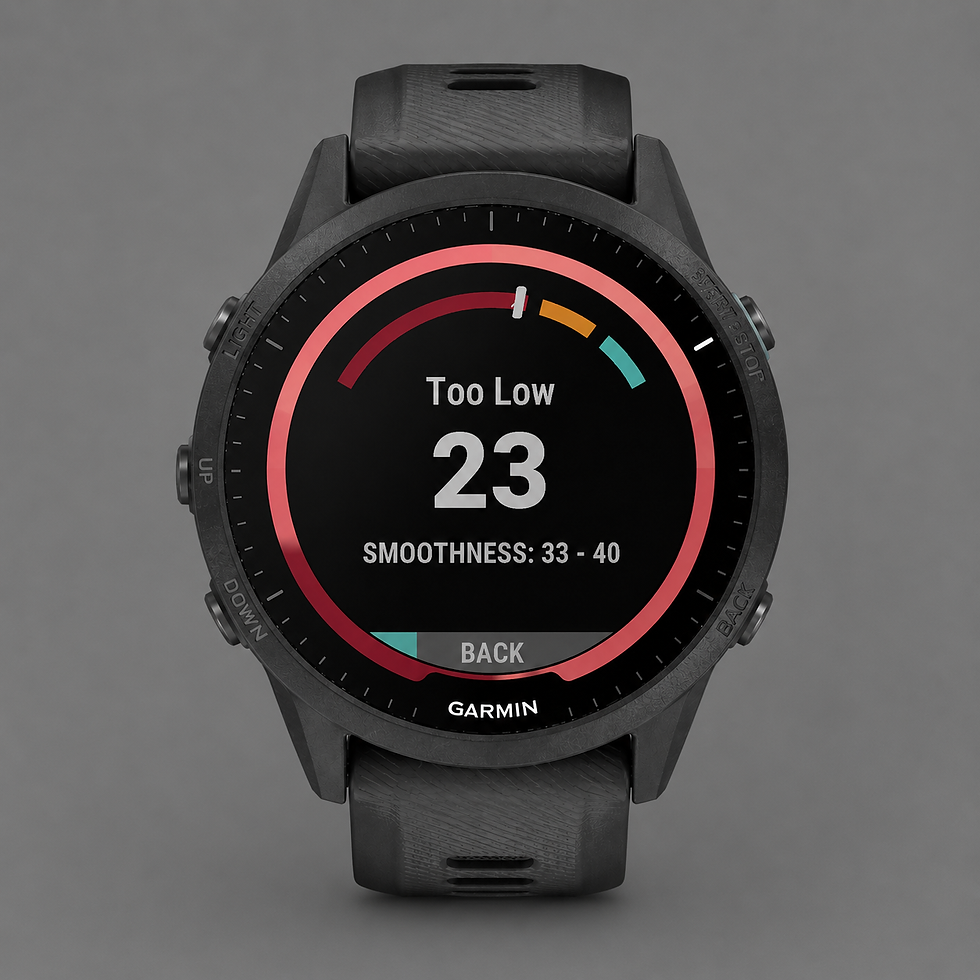
Use power meters and pedal smoothness metrics: Devices like Garmin provide data on pedal smoothness, helping you track progress.
Focus on pedal stroke visualization: Imagine scraping mud off the bottom of your shoe at the bottom of the pedal stroke to engage the correct muscles.
Strengthen your legs and core: Include exercises like squats, lunges, and planks in your routine.
These steps help you develop muscle memory and improve coordination, leading to smoother pedalling.

Common Mistakes That Reduce Pedal Smoothness
Avoid these common errors that negatively impact pedal smoothness:
Pushing too hard on the downstroke only: This creates dead spots and wastes energy.
Low cadence: Pedaling too slowly increases muscle fatigue and reduces smoothness.
Poor bike fit: Incorrect saddle height or position can limit your pedal stroke range.
Weak core and leg muscles: Lack of strength reduces control and power transfer.
Ignoring data feedback: Not using available metrics like pedal smoothness misses opportunities for improvement.
Correcting these mistakes will help you pedal more efficiently and reduce the risk of injury.
Using Technology to Enhance Pedal Smoothness
Modern cycling technology offers valuable tools to improve your pedaling technique. Devices like Garmin provide real-time feedback on pedal smoothness, power output, and cadence. Use this data to:
Identify imbalances between your left and right legs.
Track improvements in pedal smoothness over time.
Adjust your training based on objective metrics.
Set specific goals for cadence and smoothness.
For detailed guidance, explore garmin pedal smoothness tips to learn how to interpret and use your device’s data effectively.
Final Thoughts on Pedal Smoothness Improvement
Improving pedal smoothness is a gradual process that requires focus, practice, and the right tools. By applying the pedalling smoothness techniques outlined here, you can enhance your cycling efficiency, boost performance, and reduce injury risk. Use technology to monitor your progress and stay consistent with your training. Smooth pedaling leads to better rides and greater enjoyment on every cycling journey.


Comments